
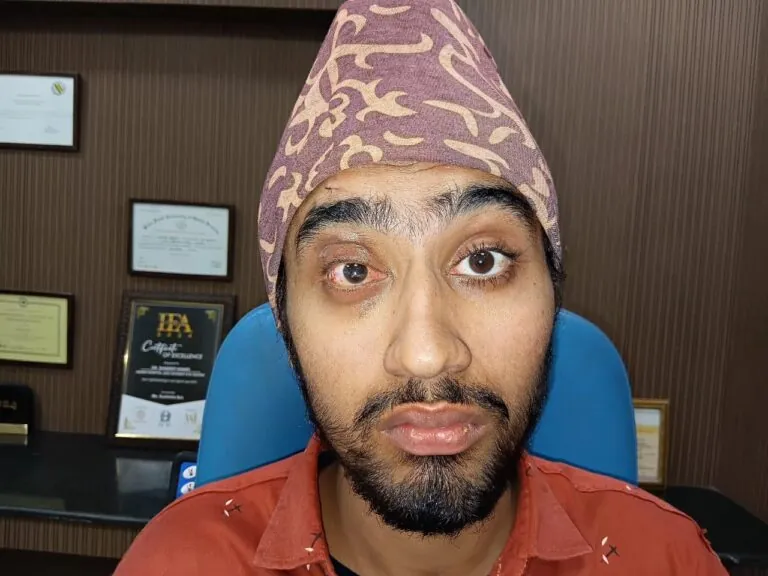
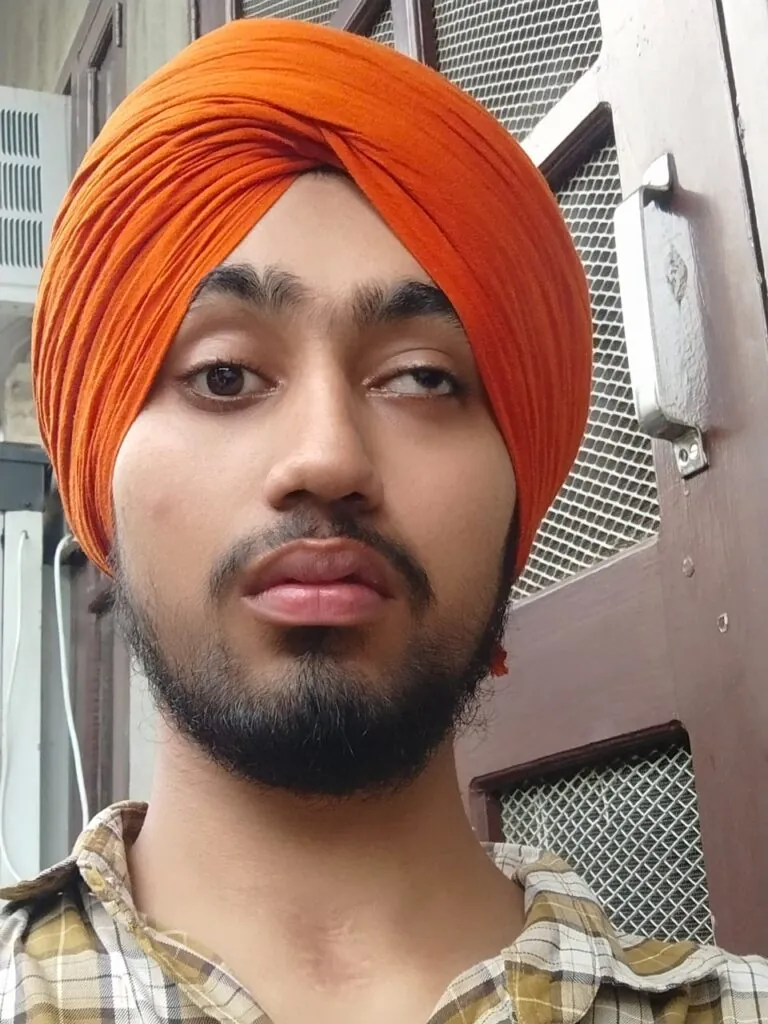
What is a squint?
A squint, also called strabismus, is when the eyes do not line up with each other. One eye may turn in, out, up or down while the other looks straight ahead. It can be there all the time or come and go, and it can happen at any age.
Signs to look out for
- Eyes that do not point in the same direction
- A child who often turns or tilts their head, or keeps one eye closed
- Double vision, especially when a squint starts in adulthood
If you notice any of these, book an eye check. A squint in a child should be checked early.
What causes a squint?
In children, a squint often develops as the eyes try to overcome a focusing problem such as long-sightedness, short-sightedness or astigmatism. Less often it is linked to other health conditions. A squint can also start later in life, sometimes with double vision.
Why early treatment matters
A squint is unlikely to get better on its own. Without treatment, the brain can start to ignore the image from the turned eye, which can lead to a lazy eye (amblyopia) and lasting vision problems. That is why eye doctors recommend checking and treating a squint in children early.
Treatment options
Treatment depends on the type of squint and its cause. After a full eye examination, your doctor may recommend one or more of these:
- Glasses, when the squint is linked to a focusing problem
- An eye patch, to strengthen a lazy eye
- Eye exercises, for some types of squint
- Injections into the eye muscles, which can help the eyes line up better
- Surgery on the eye muscles, to realign the eyes
Squint surgery: what to expect
Squint surgery adjusts the muscles on the outside of the eye so that the eyes line up better. The eye is not taken out during the operation. It is commonly done under general anaesthesia, especially for children, and most patients go home the same day.
Afterwards the eye usually looks red and can feel gritty or sore while it heals, and you may be given drops or ointment. Do not drive yourself home after the operation. Your surgeon will explain your recovery plan and follow-up visits.
Your squint surgeon
Squint care at the centre is led by Dr Sandeep Anand (MBBS · DOMS · MS (Ophthalmology) · FICO · FMRF), who has performed more than 30,000 squint surgeries. He trained in paediatric ophthalmology at Sankara Nethralaya, Chennai, and his work in pediatric ophthalmology and squint was recognised at the Business Titans Awards, featured on Zee Business. Meet Dr Anand
Squint in adults
Squint surgery is not only for children, and it is not just cosmetic. The American Academy of Ophthalmology notes that realigning the eyes in adults can relieve double vision, help restore depth perception, widen the field of vision and remove the need to turn or tilt the head. At Anand Hospital & Navdeep Eye Centre we treat squint in both children and adults.
Results from our gallery
Photographs of patients treated at the centre. Individual results vary with each patient's condition.
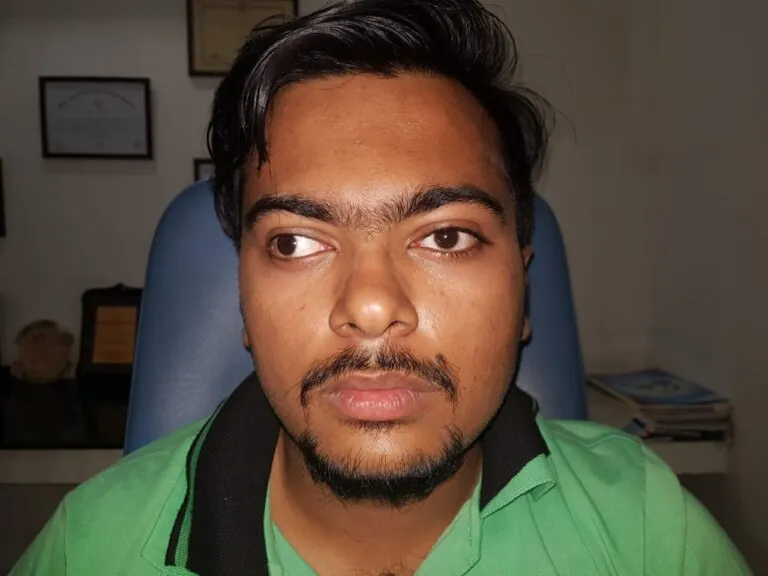 Before
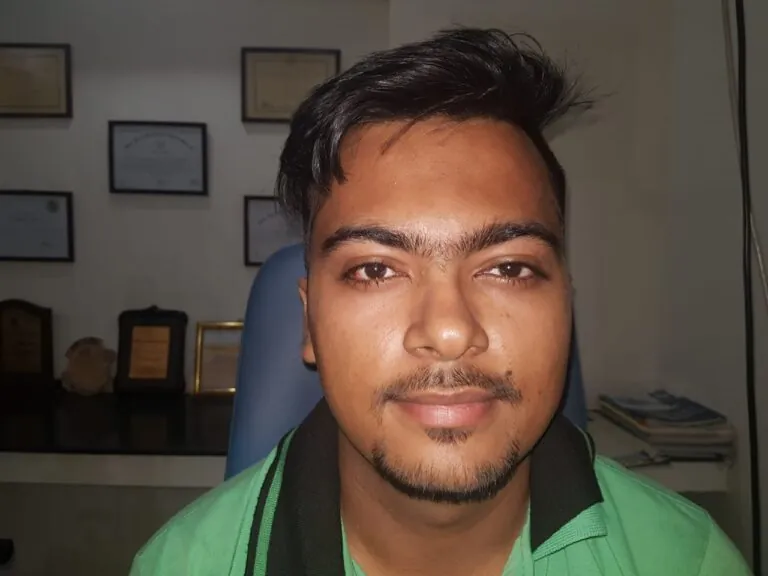 After
After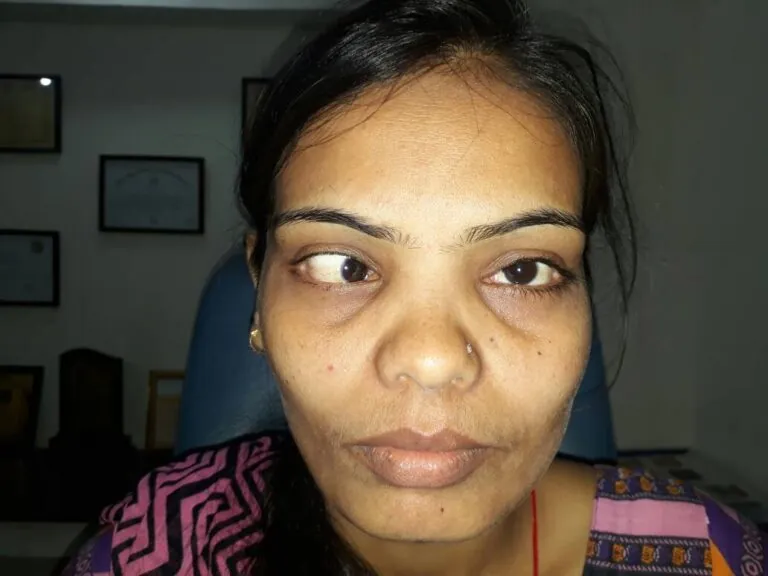 Before
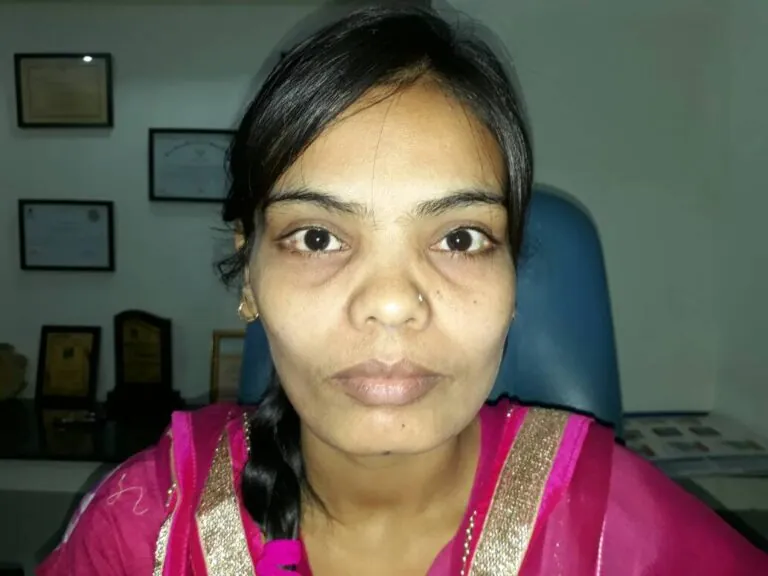 After
After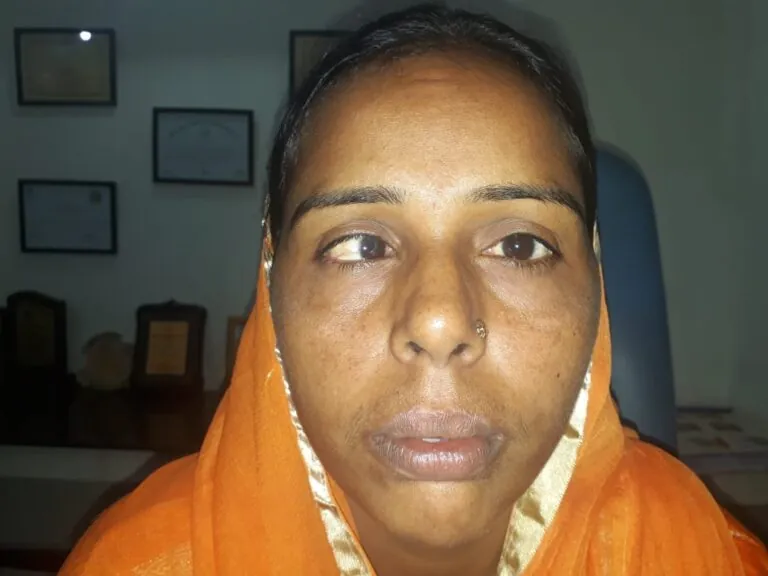 Before
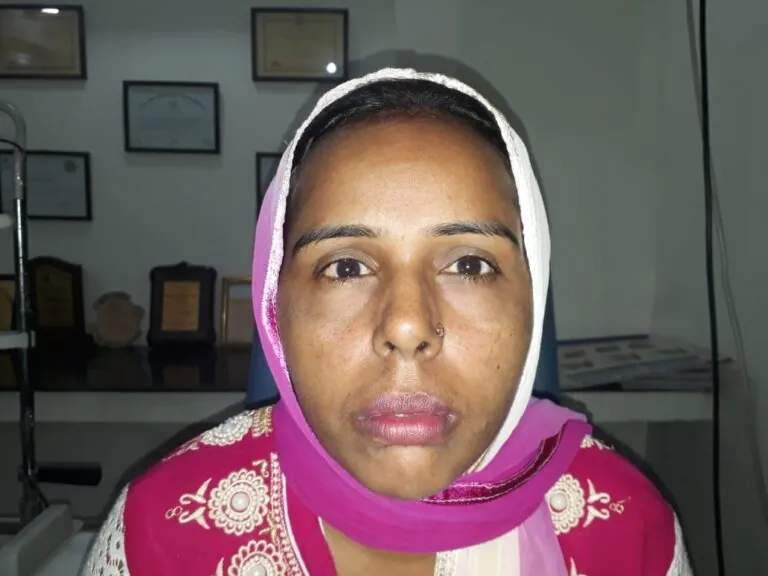 After
AfterSee all before and after photos
Frequently asked questions
Can a squint be treated in adults?
Yes. Adults can have squint surgery, and it is not only cosmetic. Realigning the eyes can relieve double vision, help restore depth perception, widen the field of vision and remove the need to turn or tilt the head.
Will my child grow out of a squint?
It is unlikely. A squint rarely gets better on its own, so treatment is usually recommended, and it works best when it starts early.
Is squint surgery painful?
The operation is commonly done under general anaesthesia, so you will not feel it. Afterwards the eye can look red and feel sore or gritty while it heals, and your doctor will advise on eye drops or ointment and pain relief.
Will I still need glasses after squint surgery?
Possibly. Surgery changes how the eyes line up, not how they focus, so if you need glasses to see clearly you may still need them after the operation.
How experienced is the squint surgeon?
Dr Sandeep Anand has performed more than 30,000 squint surgeries. He holds MBBS, DOMS, MS (Ophthalmology), FICO and FMRF qualifications and trained in paediatric ophthalmology at Sankara Nethralaya, Chennai.
How do I book a squint consultation in Panipat?
Call or WhatsApp +91-99961-68202, or use the booking form on our homepage. The hospital is at 105, Adarsh Nagar, near the Main Post Office on Assandh Road, Panipat.
Sources
This page gives general information and is not a diagnosis. Please book a consultation for advice about your own eyes.